Project Overview
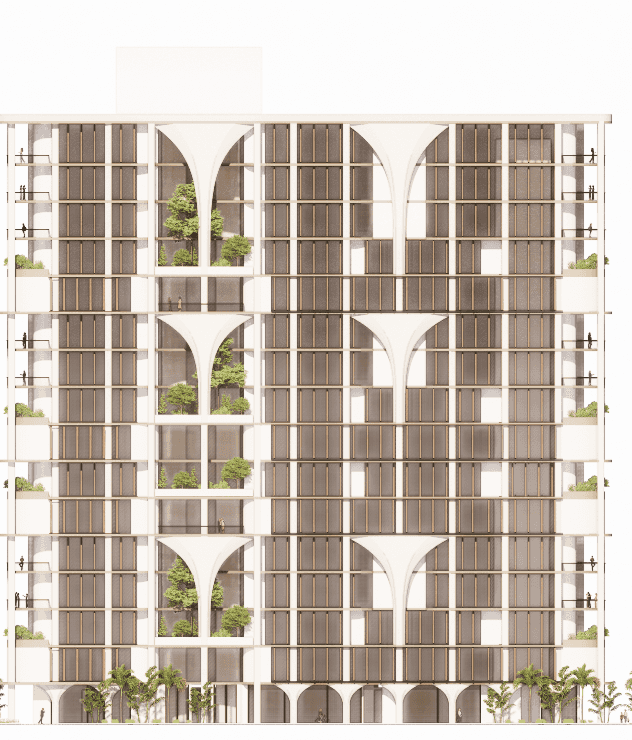
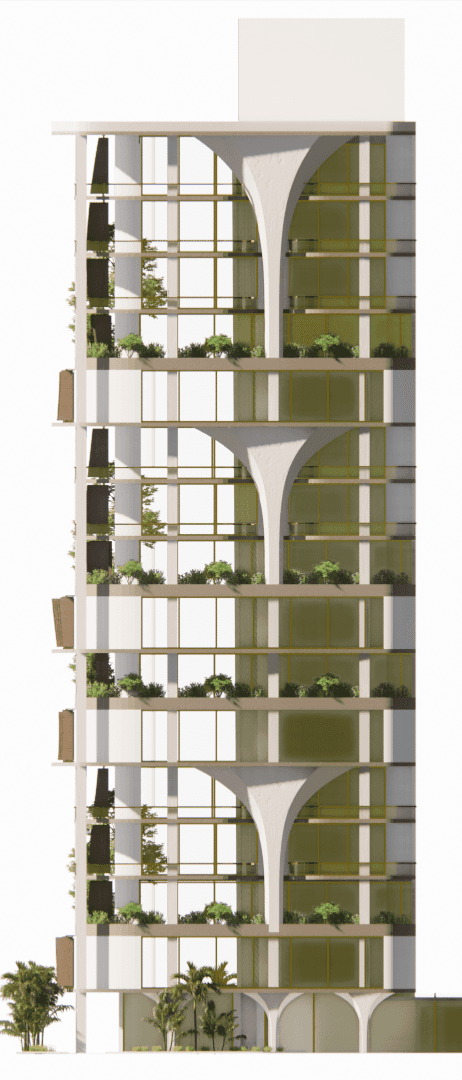
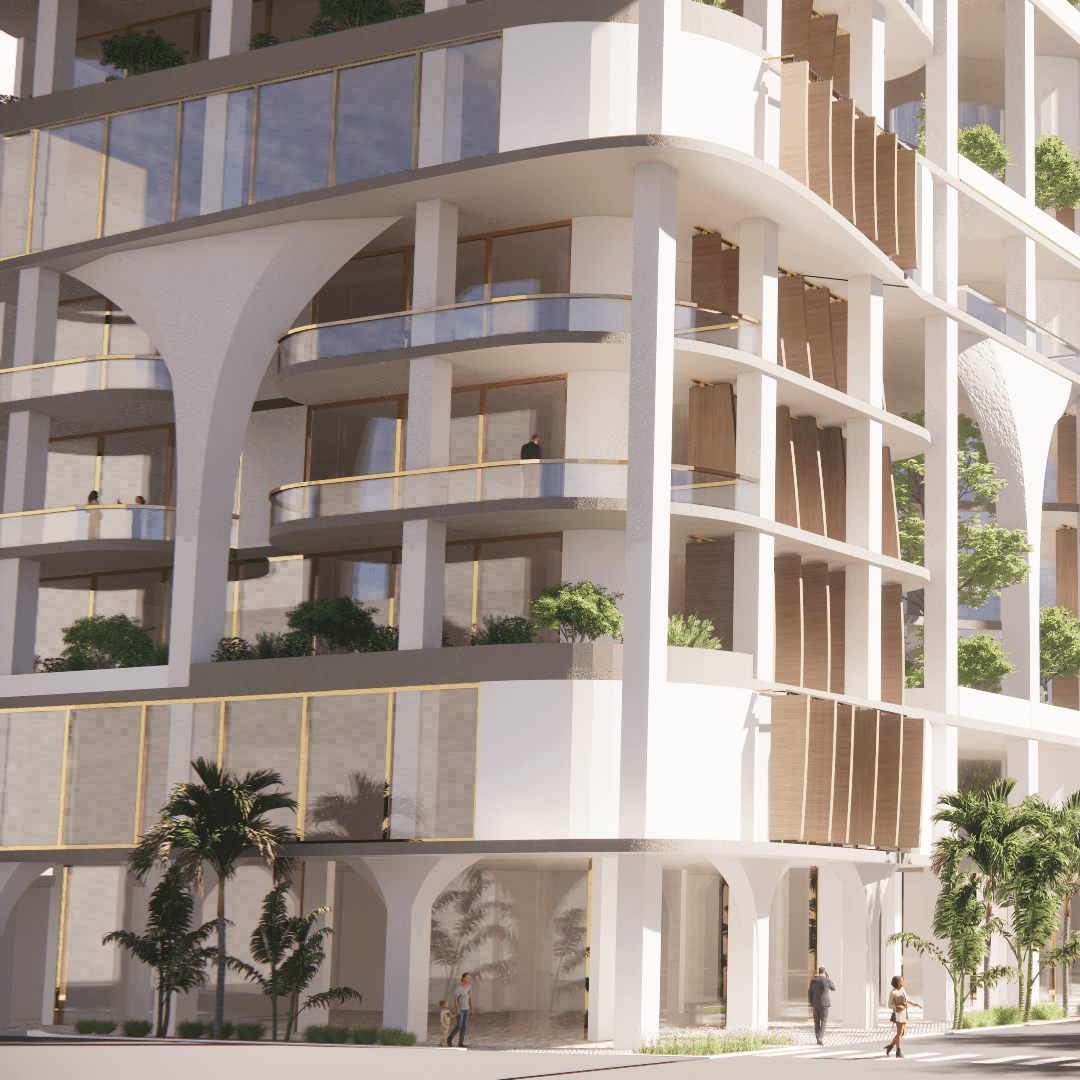
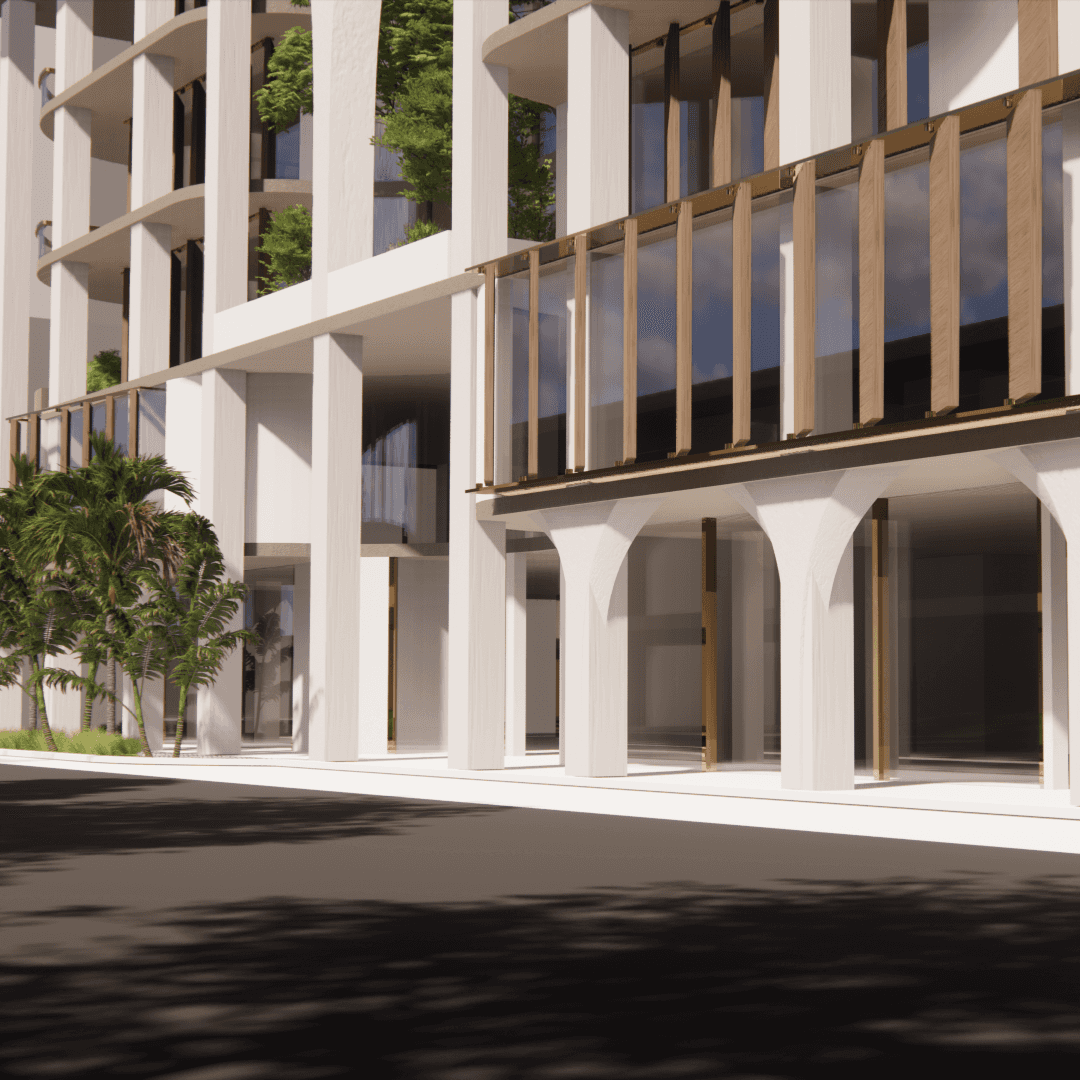
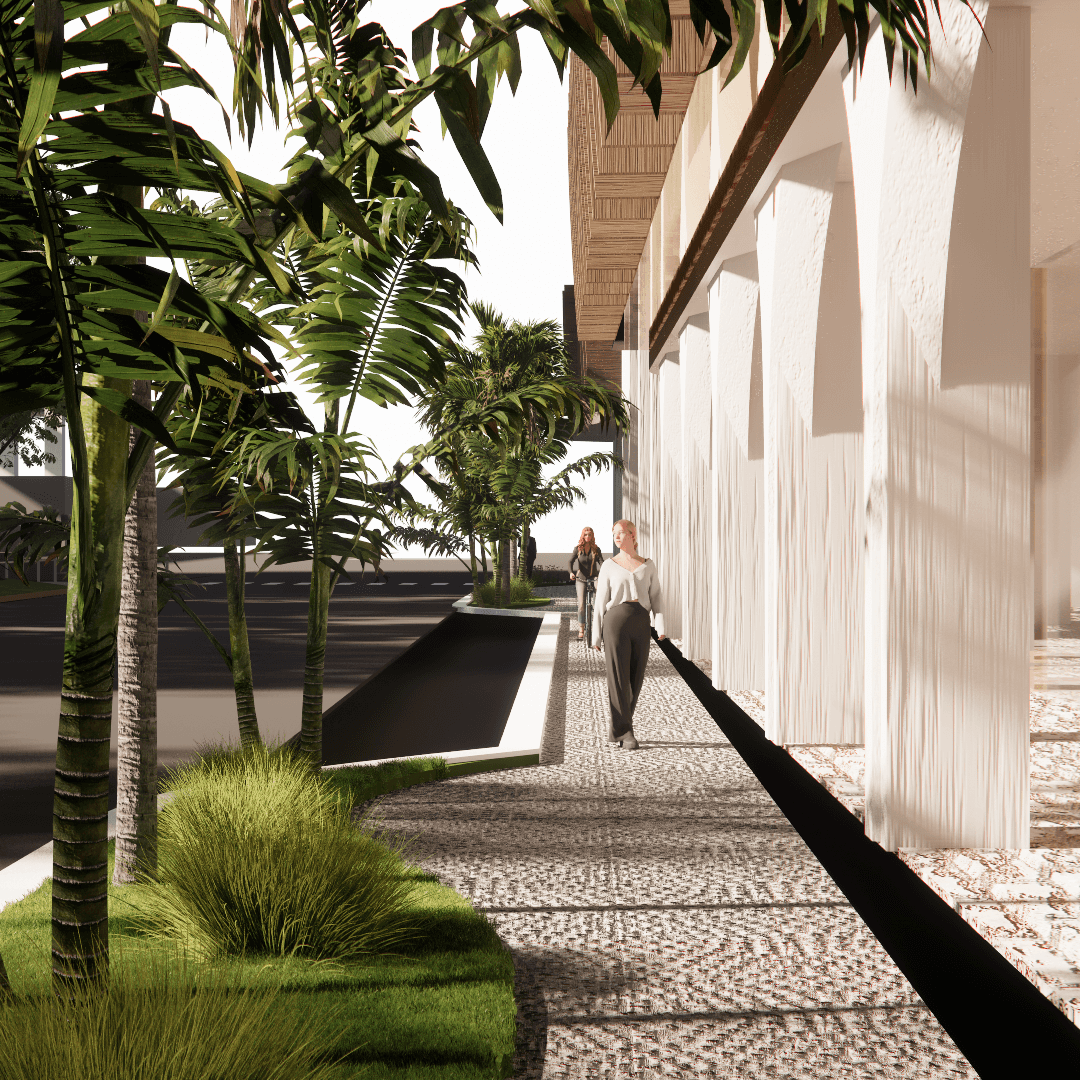
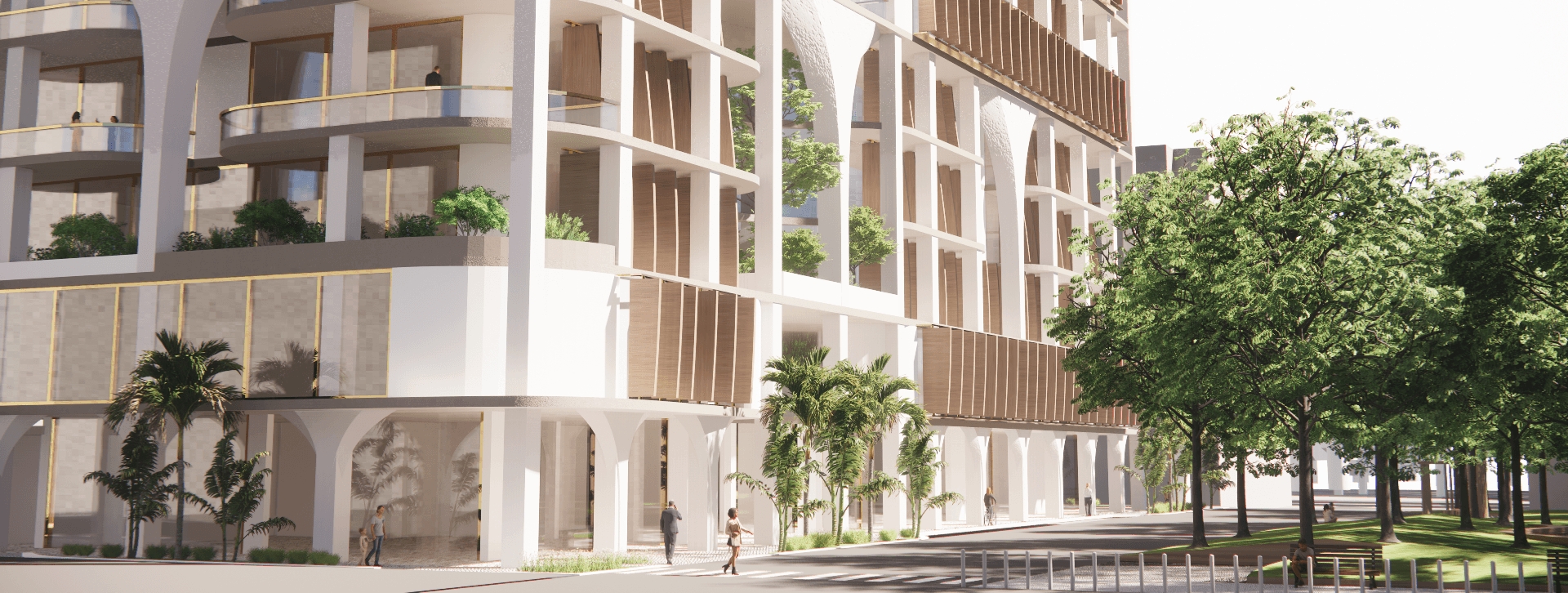
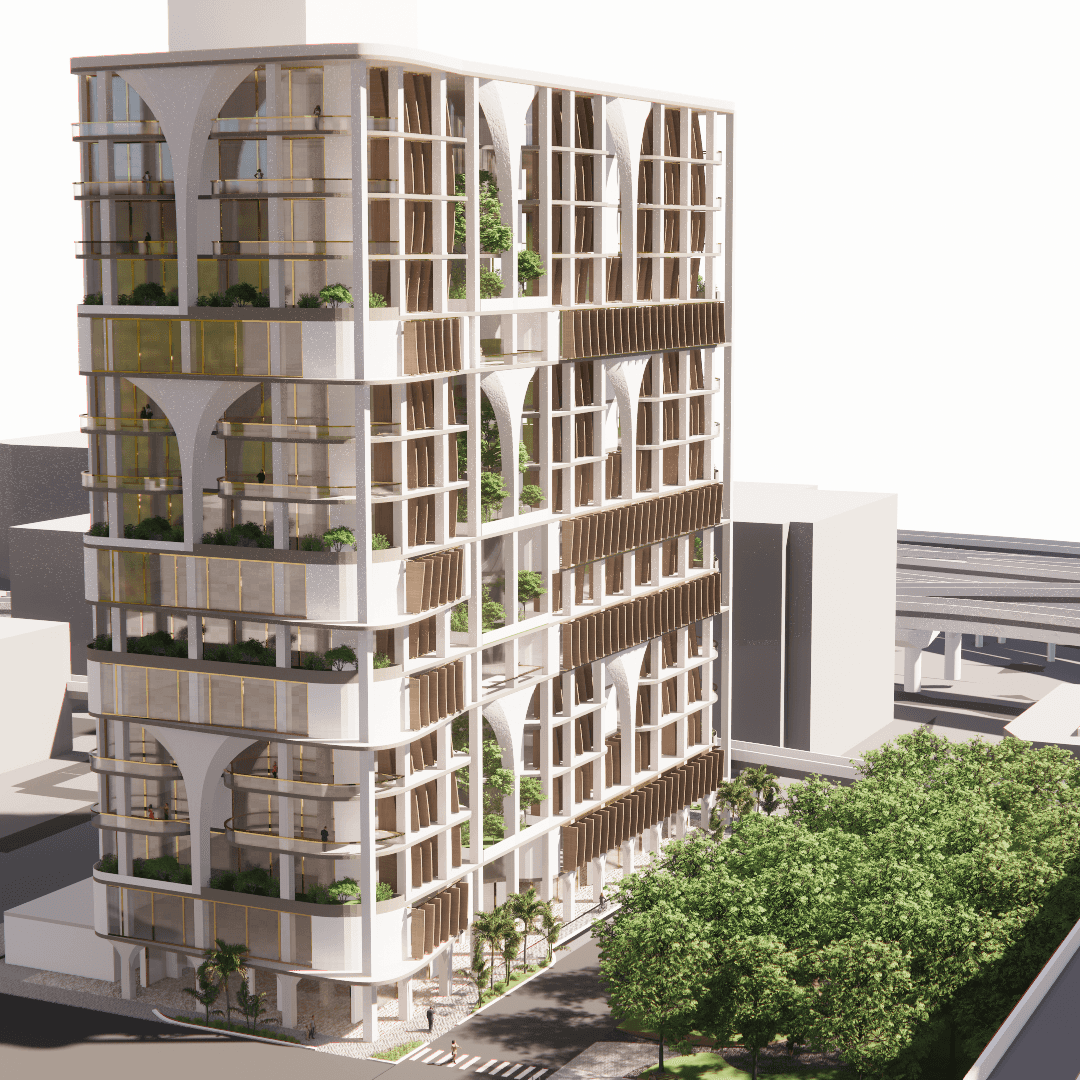
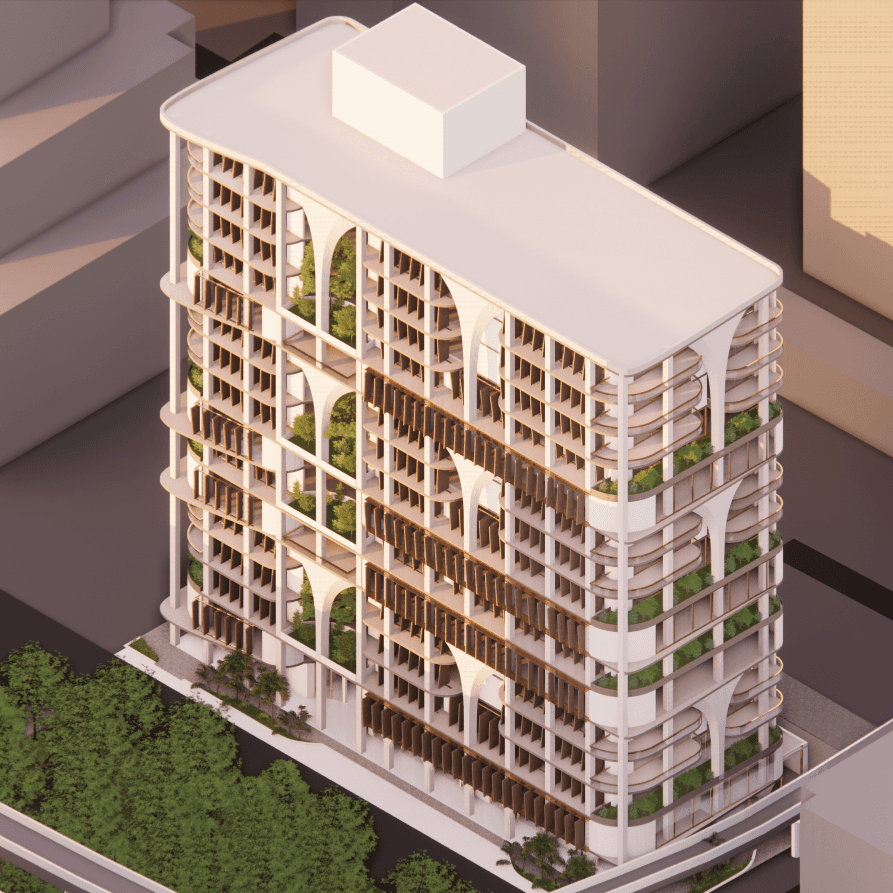
My concept for the Claude Pepper building in Miami integrates a curvilinear floor plan design along the north and south facades to optimize shading efficiency in response to the city’s tropical climate. By strategically curving the facades, I aim to decrease solar heat gain and enhance occupant comfort. Throughout the day, the curvature casts shifting shadows that effectively block direct sunlight, reducing the need for artificial cooling.
Design Approach
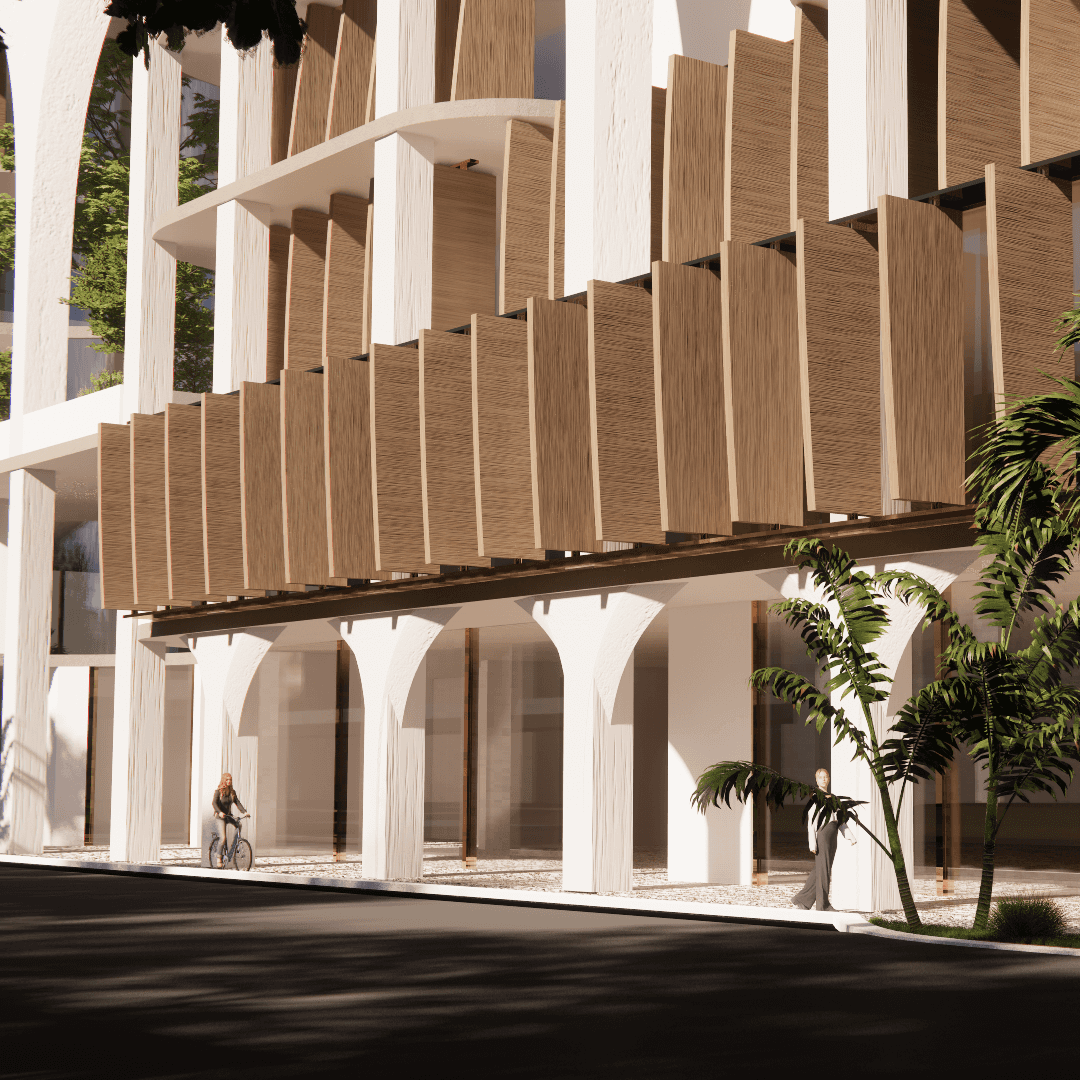
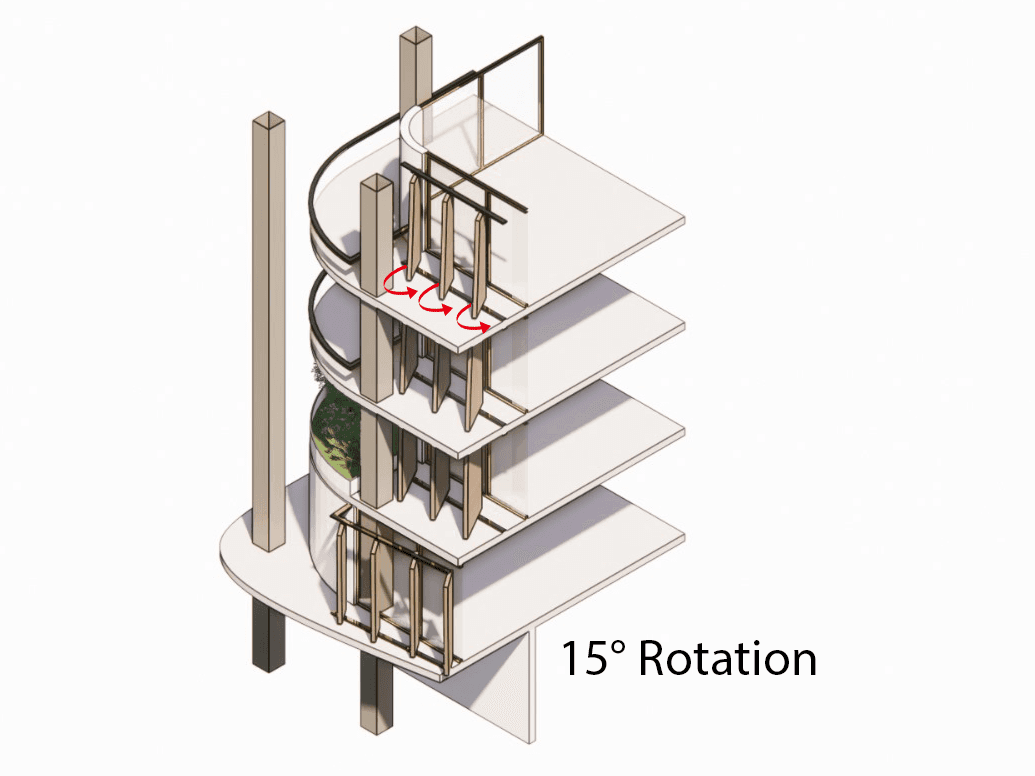
The building’s façade is further enhanced with a dynamic, solar-powered shading system. This moving façade is directly controlled by solar energy, with its movement synchronized to the sun’s path. By adapting in real time, the system provides optimal shading throughout the day, ensuring energy efficiency and maintaining a comfortable indoor environment. This sustainable approach not only reduces energy consumption but also highlights innovative design as a response to Miami’s challenging climate conditions.
Specifications
Academic Project | Design Studio 10 |
Date | Spring 2024 |
Location | Miami, Florida |
Program | Adaptive Reuse Design |
Building Overview
Park Integration
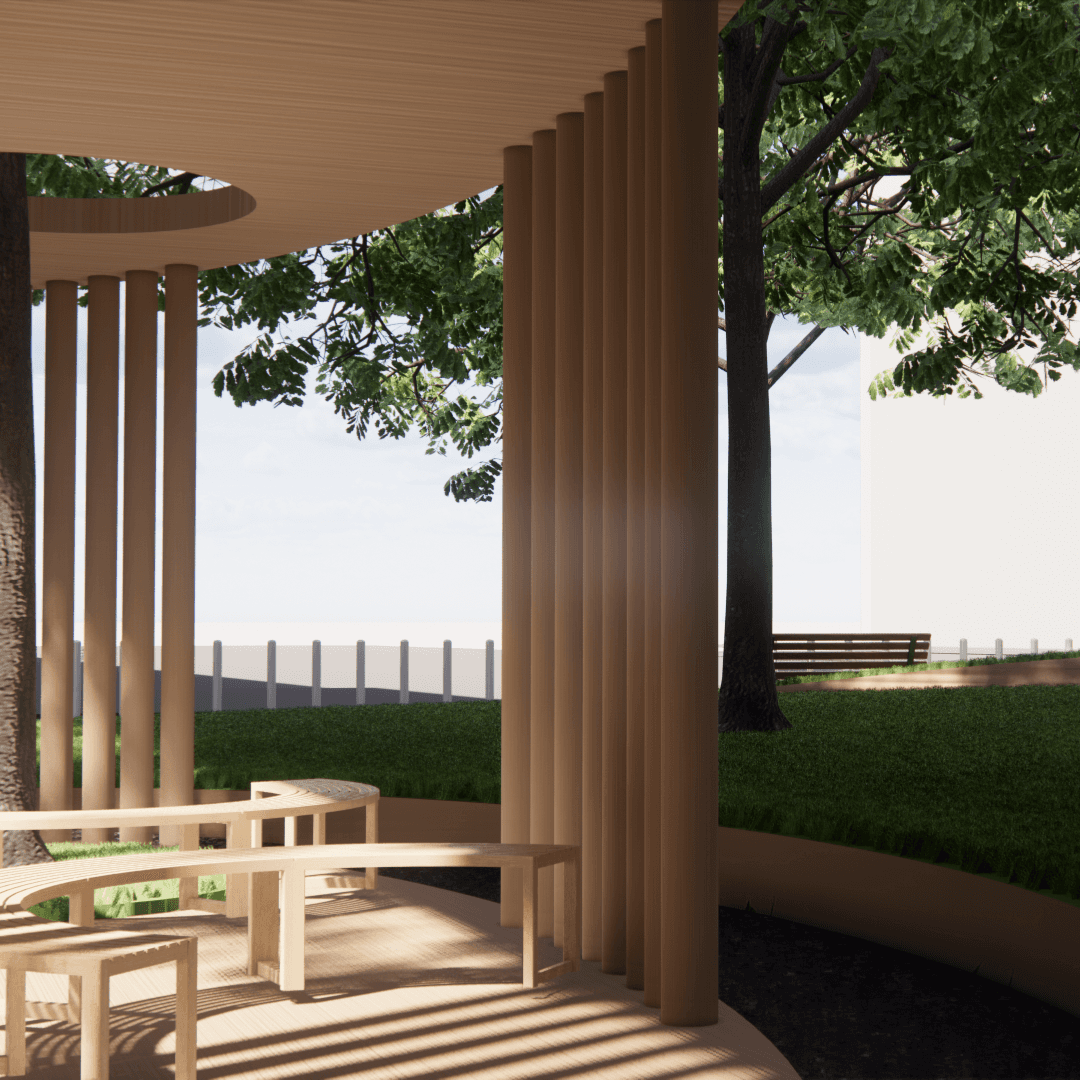
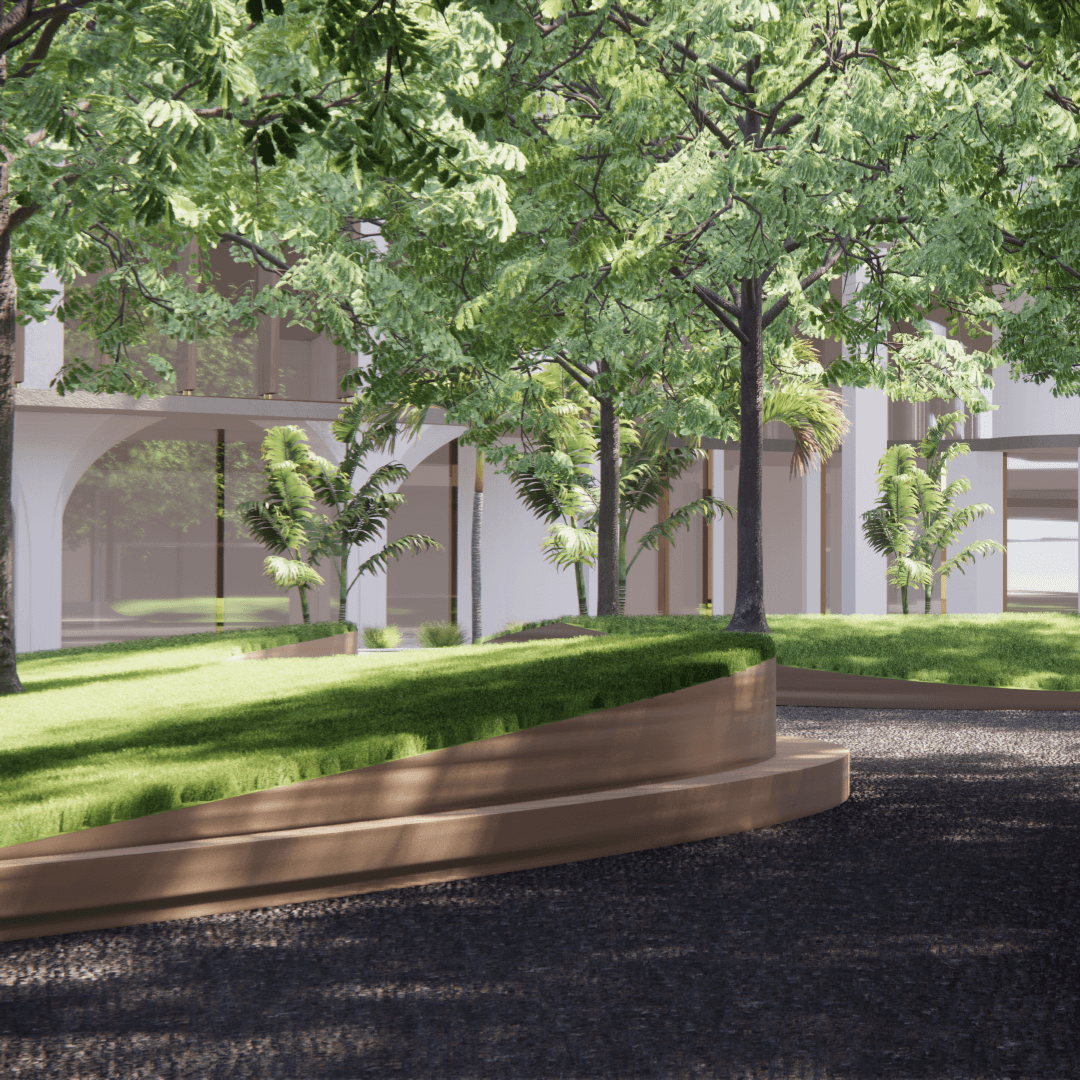
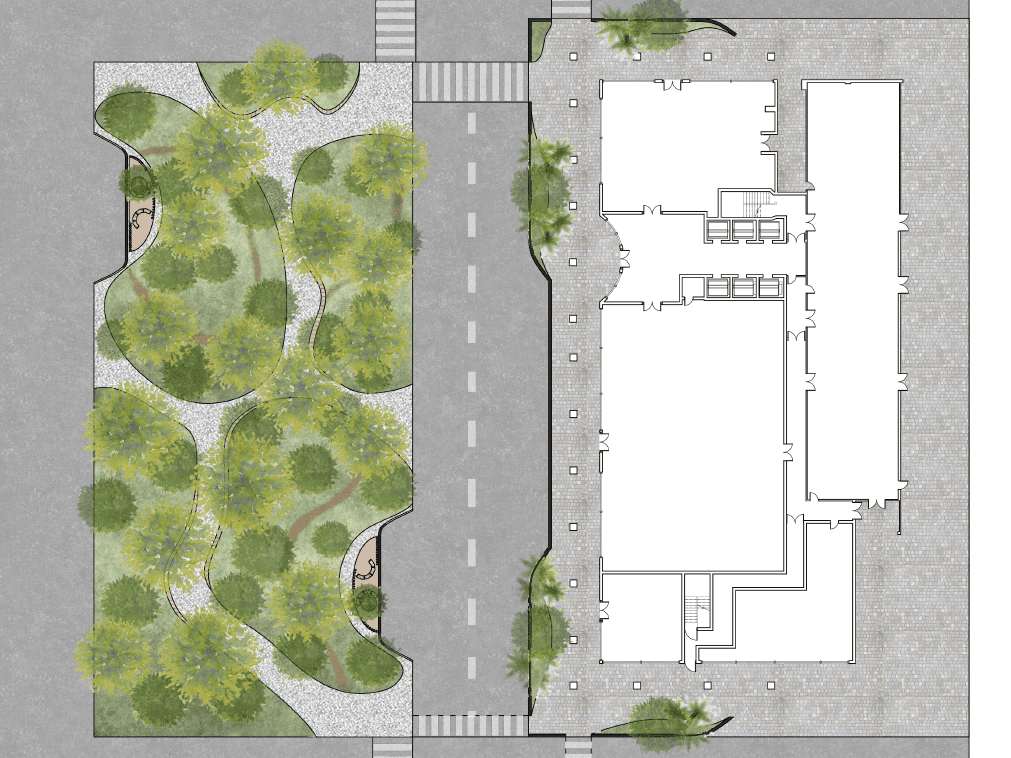
the surrounding park design embraces nature within the dense urban environment, addressing the city’s heat island effect. Inspired by the concept of creating Miami’s own city forest, the park incorporates native and adaptive plant species to provide shade, improve air quality, and support biodiversity. Carefully designed pathways, seating areas, and open spaces encourage community engagement while integrating nature into the daily lives of visitors and residents. The combination of the park’s lush greenery and the building’s thoughtful design creates a harmonious relationship between architecture and the environment, fostering sustainability and well-being in the heart of the city.
Solar Design Strategy
Integrates a public park with the building to create a seamless relationship between architecture and landscape.
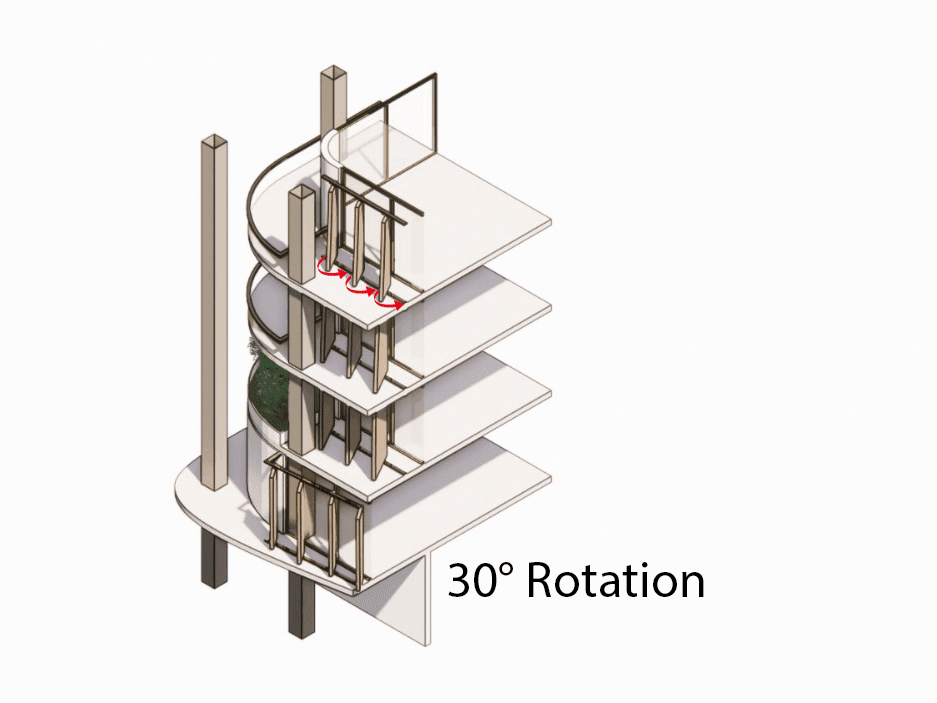
Features a dynamic facade that rotates and adapts throughout the day in response to environmental conditions.
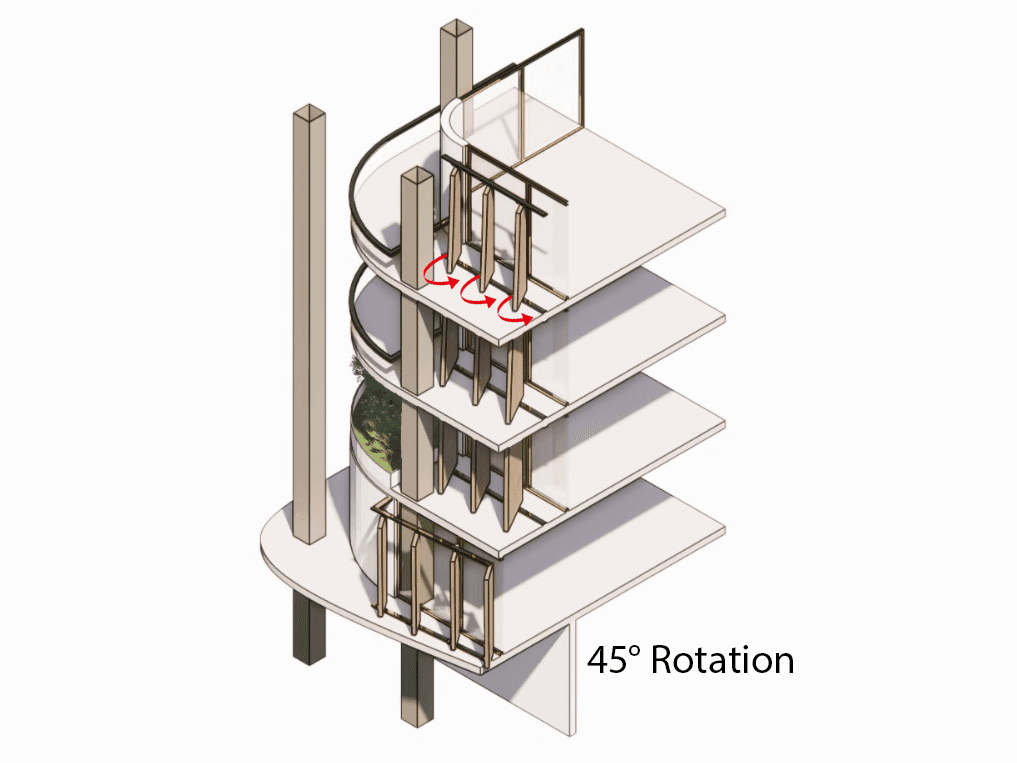
Utilizes solar energy to power facade movement and improve overall building performance.
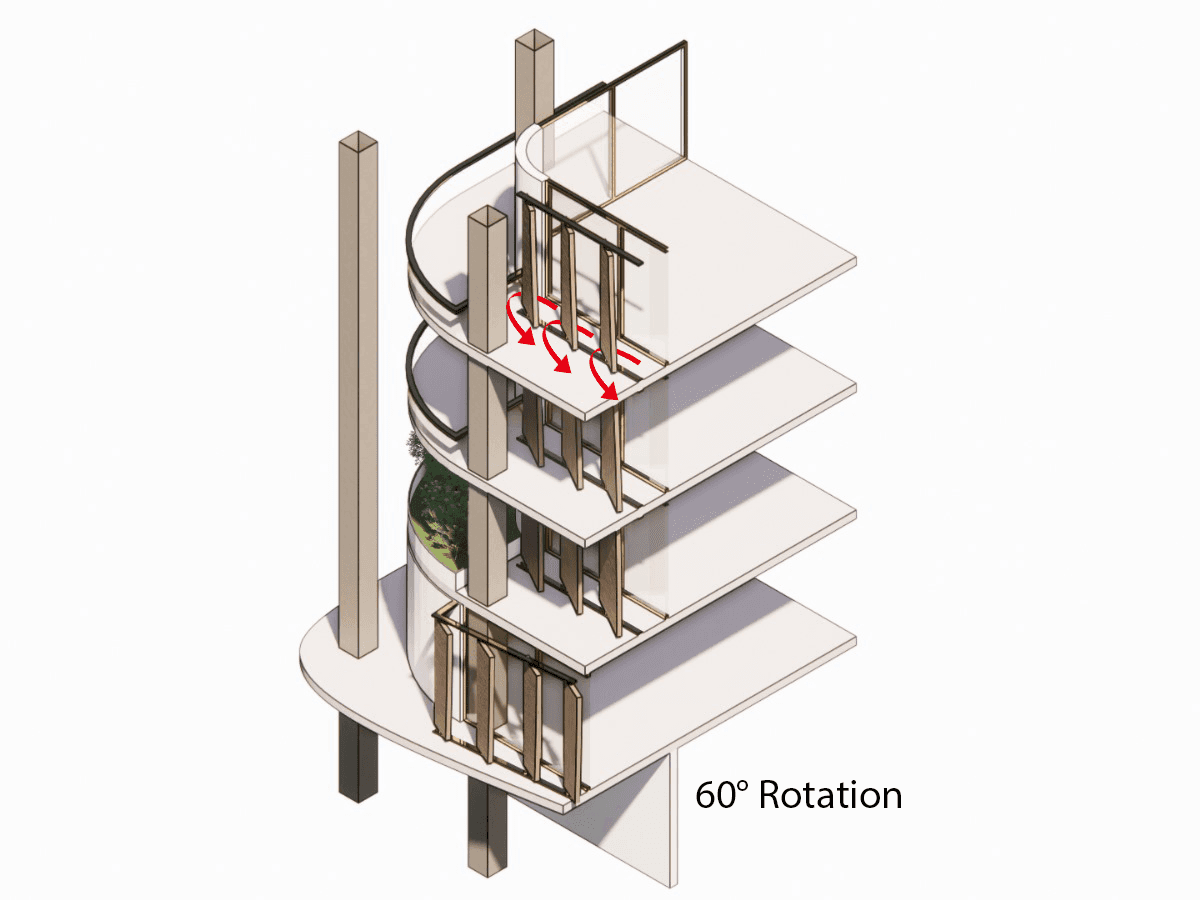
Optimizes shading, energy efficiency, and user comfort while strengthening the connection to the natural environment.