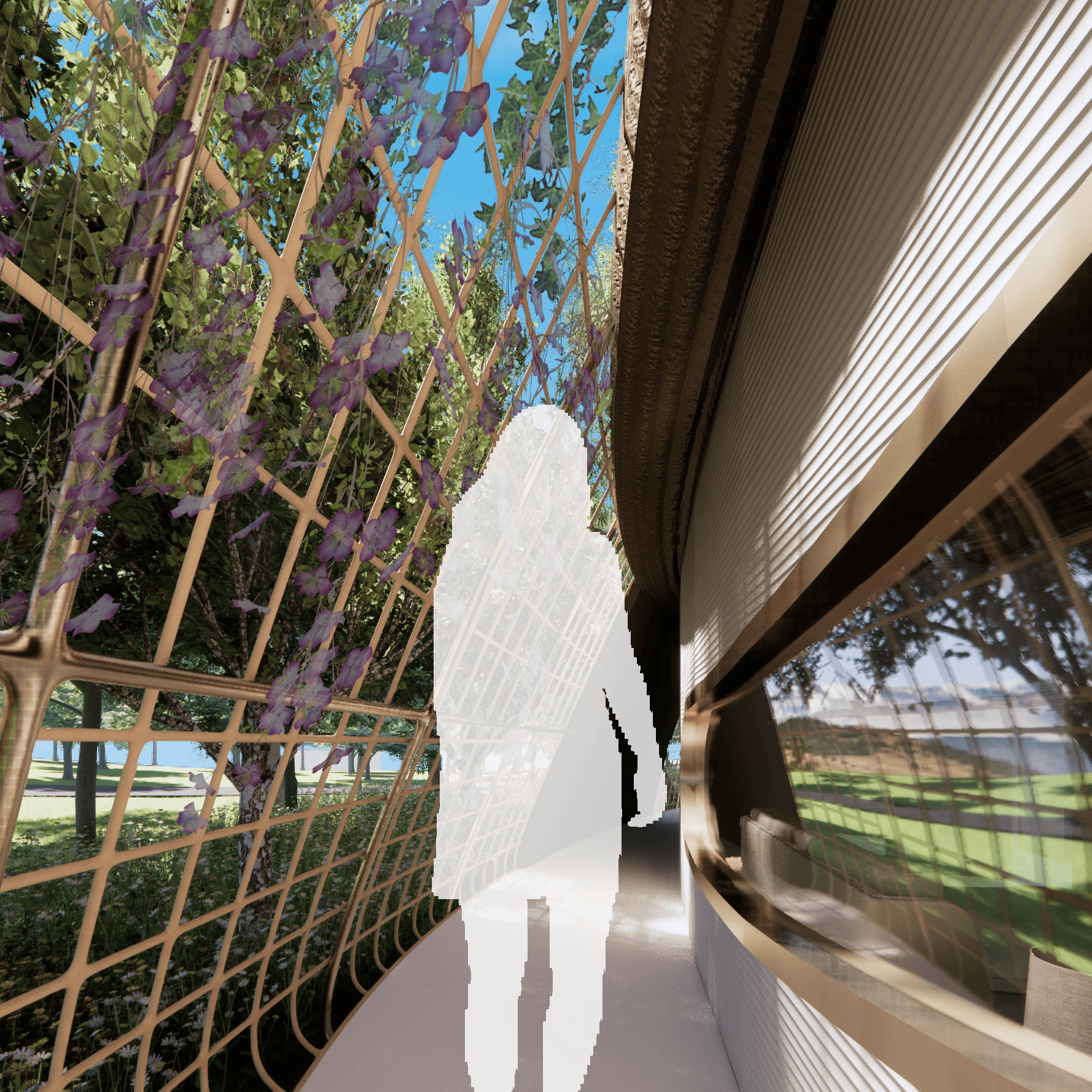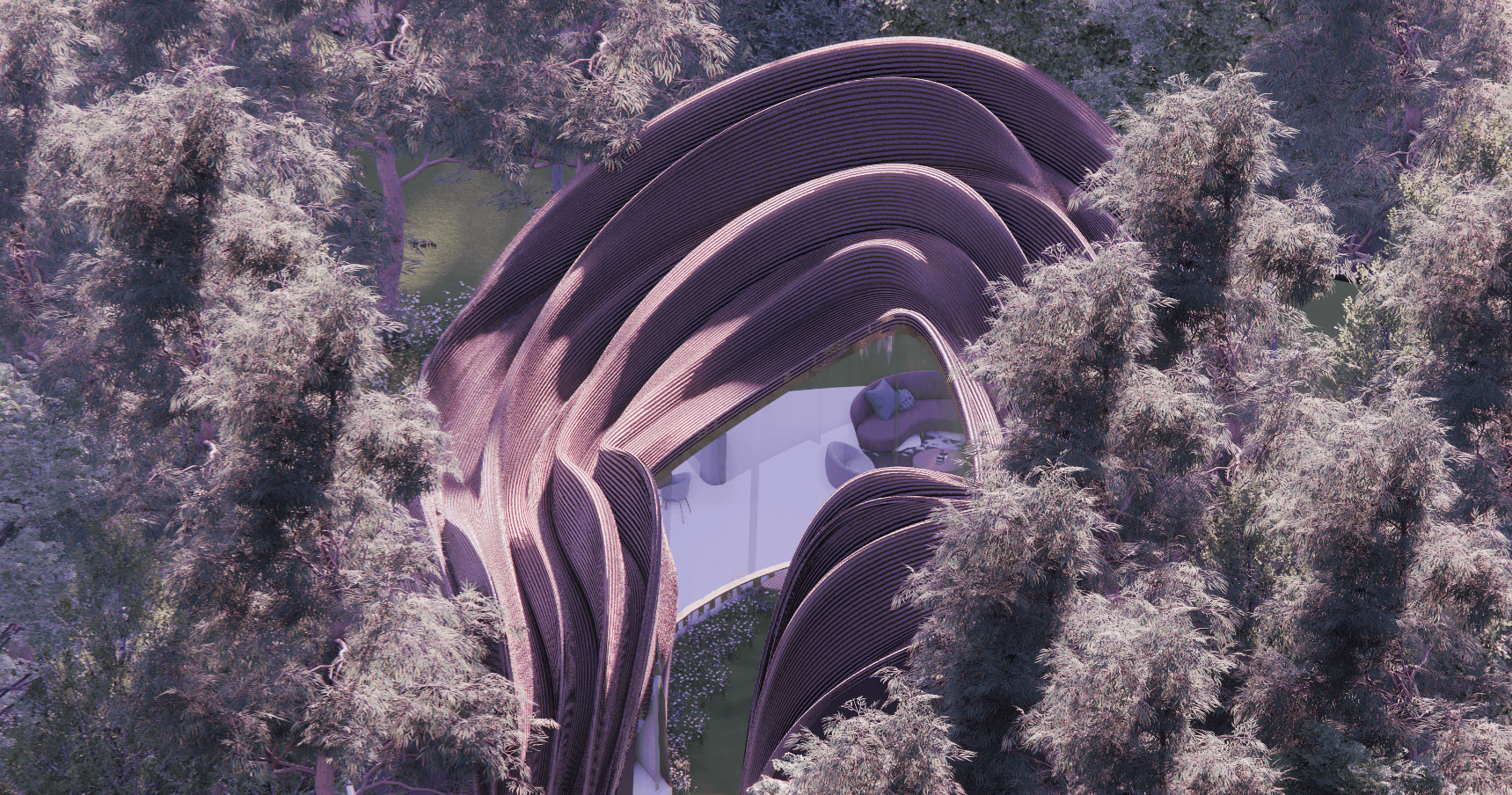
Project Overview
The aurora borealis, or northern lights, is one of nature’s most awe-inspiring phenomena, born from the interaction between charged particles released by the sun and Earth’s magnetic field. As these particles collide with the magnetic field near the poles, they excite air particles, which then release energy as vibrant, colorful light that paints the night sky with dynamic and mesmerizing hues. This interplay of science and beauty serves as the foundation for our design.
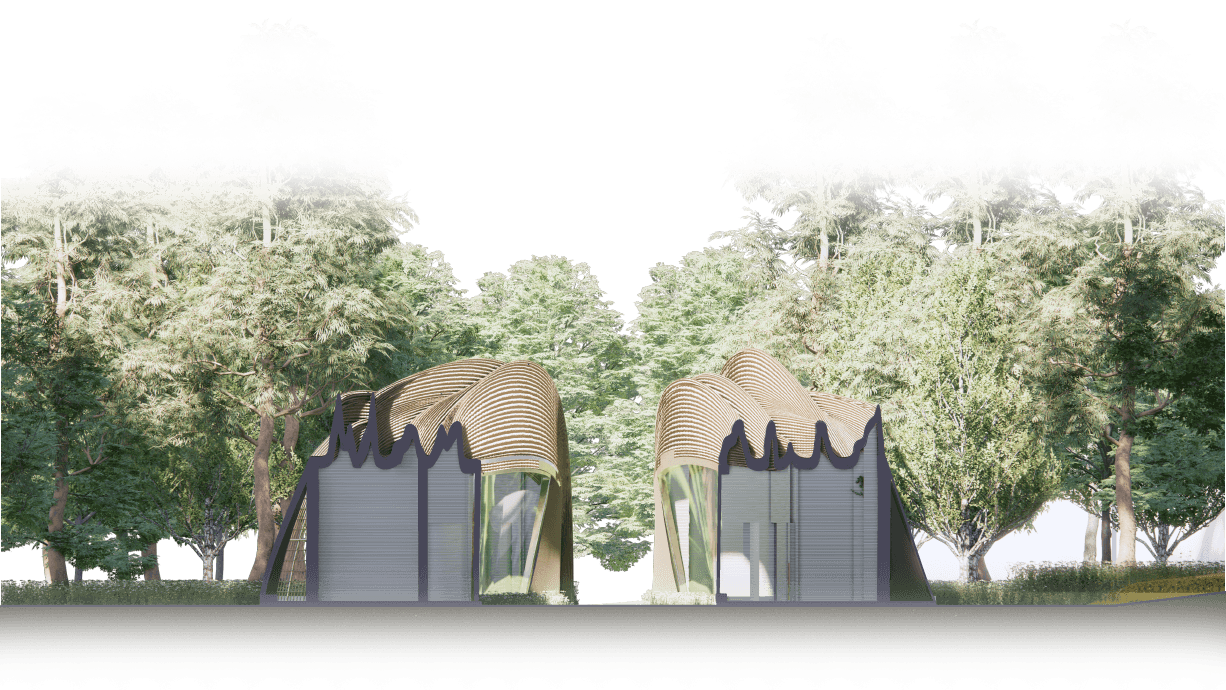
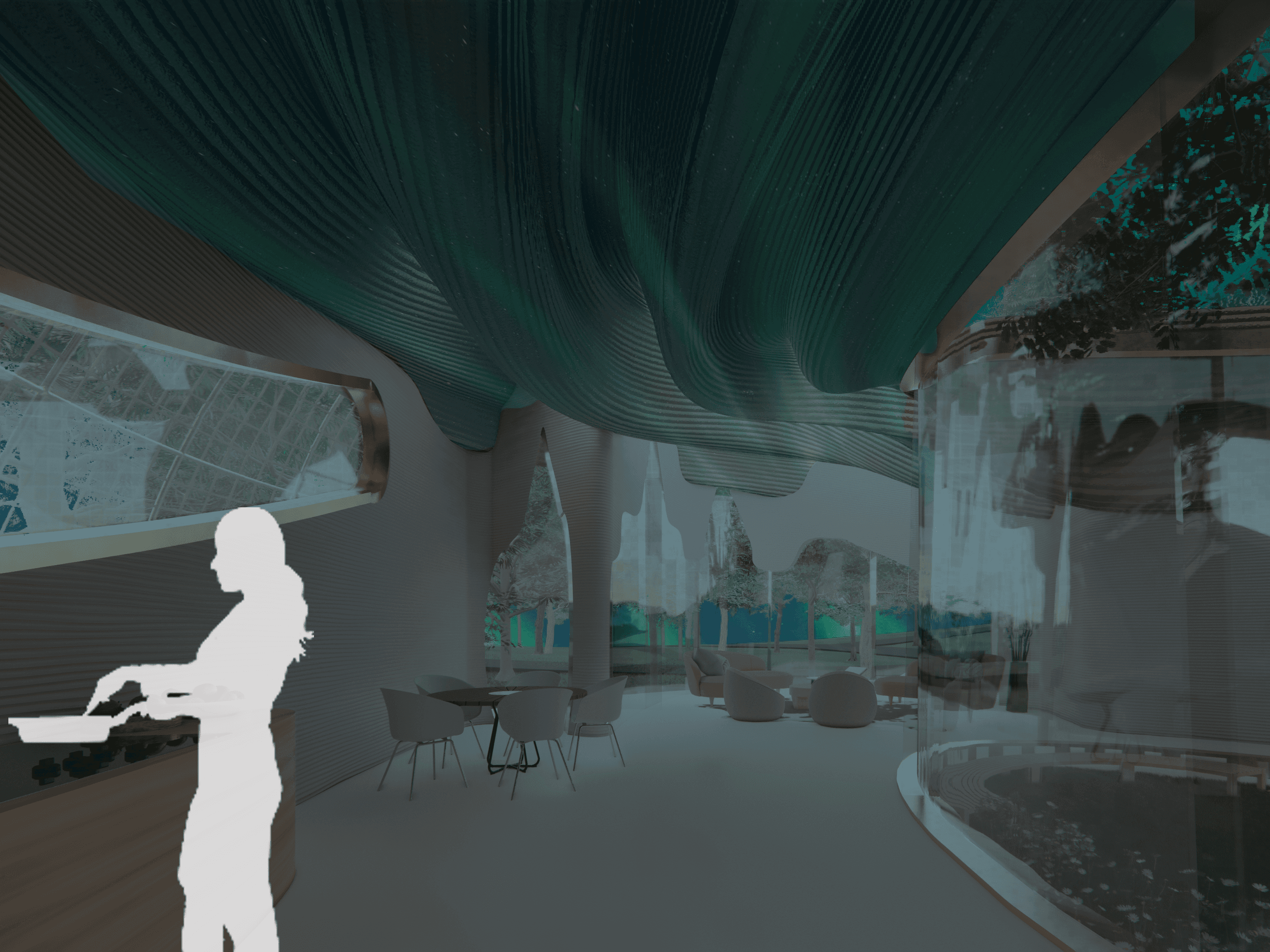
This project aims to bring the wonder of the aurora borealis into everyday life by translating its science, data, and visual impact into a tangible and immersive design. Using the KP index, a measure of geomagnetic activity, as a key source of inspiration, the form of the design reflects the dynamic nature of the aurora. Material choices and spatial arrangements are carefully selected to represent its essence, creating an environment that embodies the beauty and energy of this natural spectacle.
Design Approach
The site selection of North Vancouver, Canada, plays a critical role in the project. Positioned within a suburban context, North Vancouver offers the rare opportunity to observe the aurora borealis while maintaining accessibility for a broader audience. The area’s proximity to the natural conditions required to witness this phenomenon provides a direct connection to the inspiration behind the design, reinforcing the project’s authenticity and relevance.
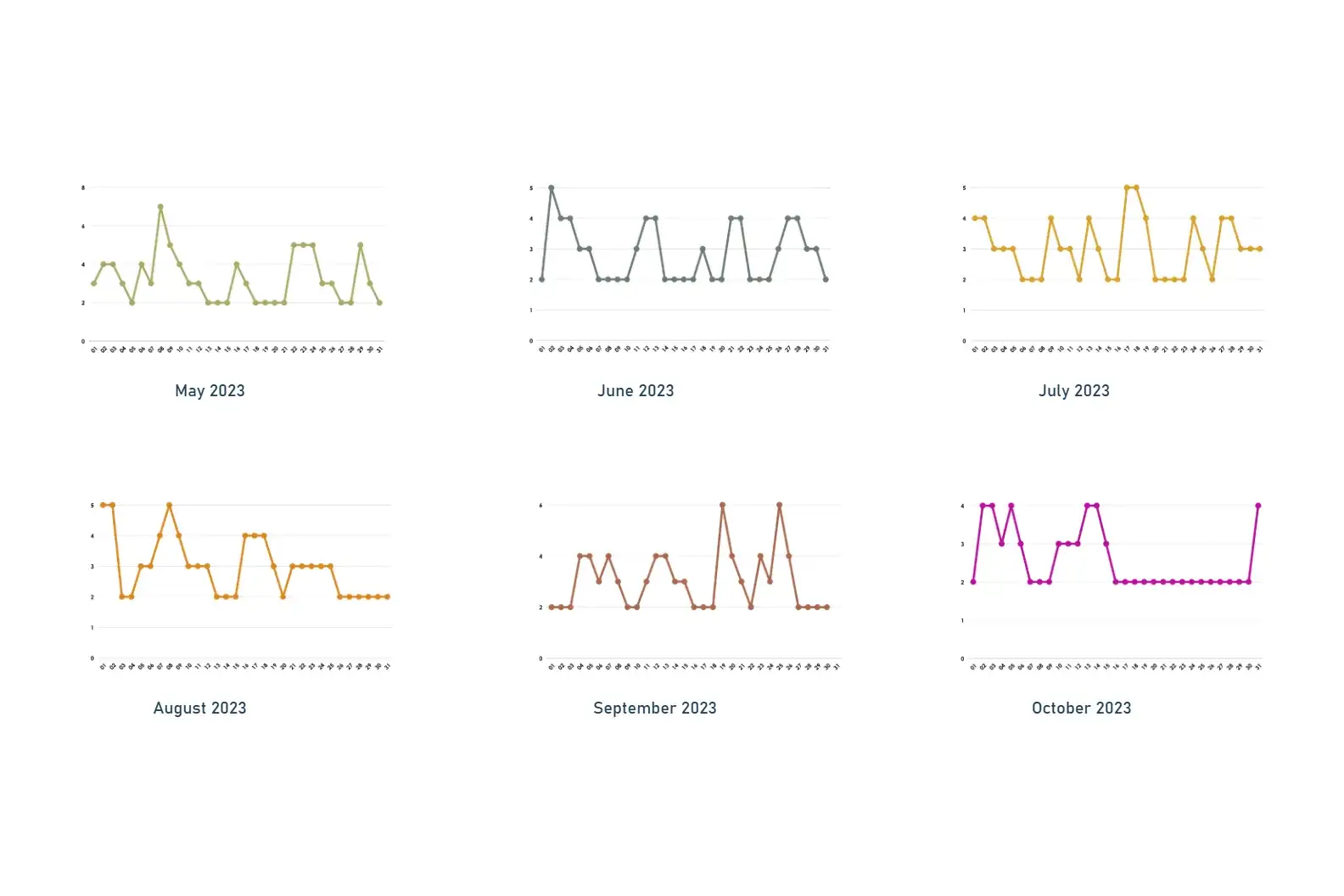
Further grounding the design in real-world context, extensive research was conducted from May to October 2023. This research included an analysis of geomagnetic activity and aurora visibility during this period, providing valuable insights to inform and refine the design proposal. By merging scientific data with creative exploration, this project aspires to create a space that not only reflects the majesty of the northern lights but also fosters a deeper appreciation for the natural world.
Specifications
Academic Project | Design Studio 8 |
Date | Fall 2023 |
Location | North Vancouver, Canada |
Completed in Collaboration | with Autumn Raulerson |
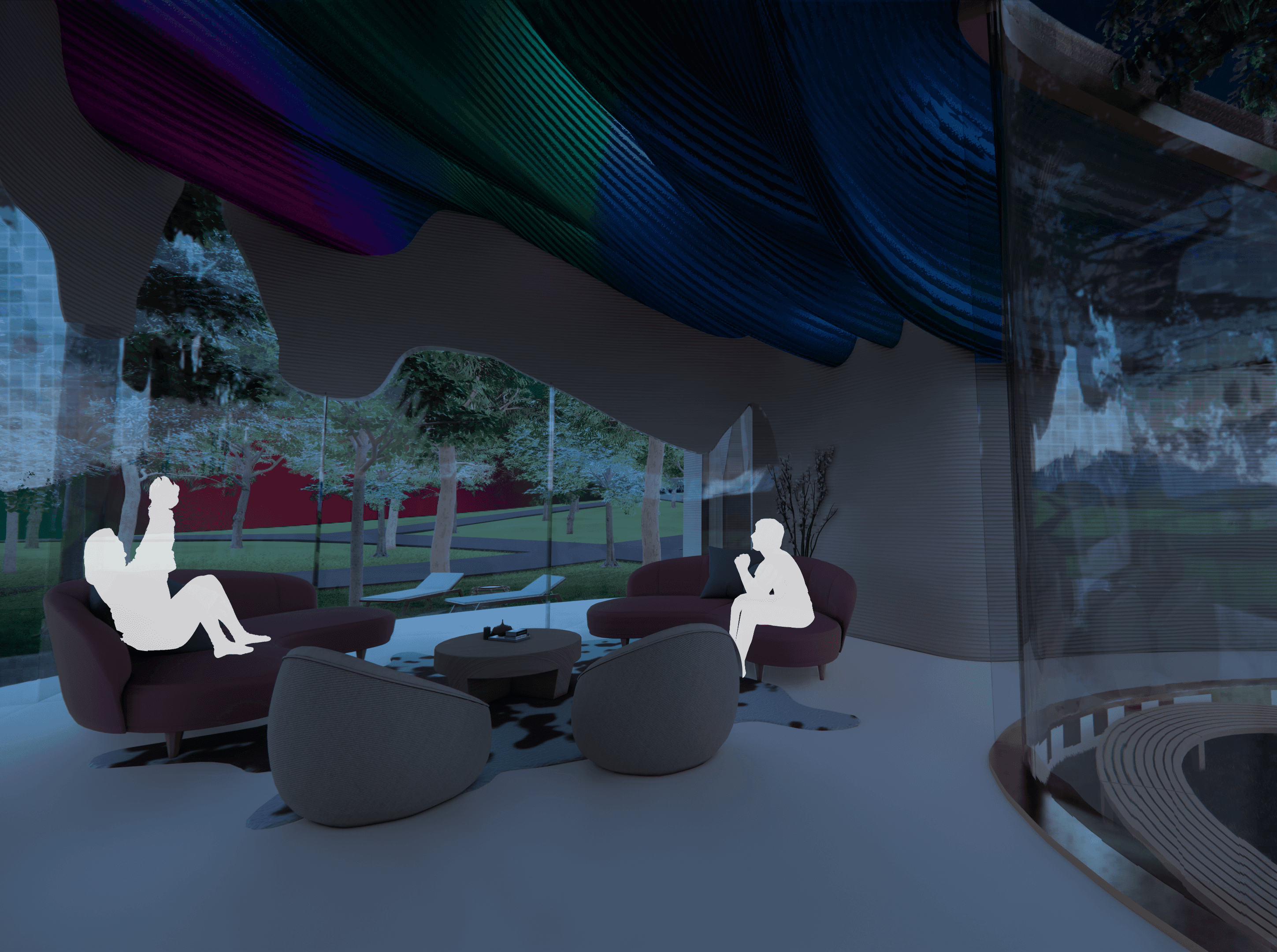
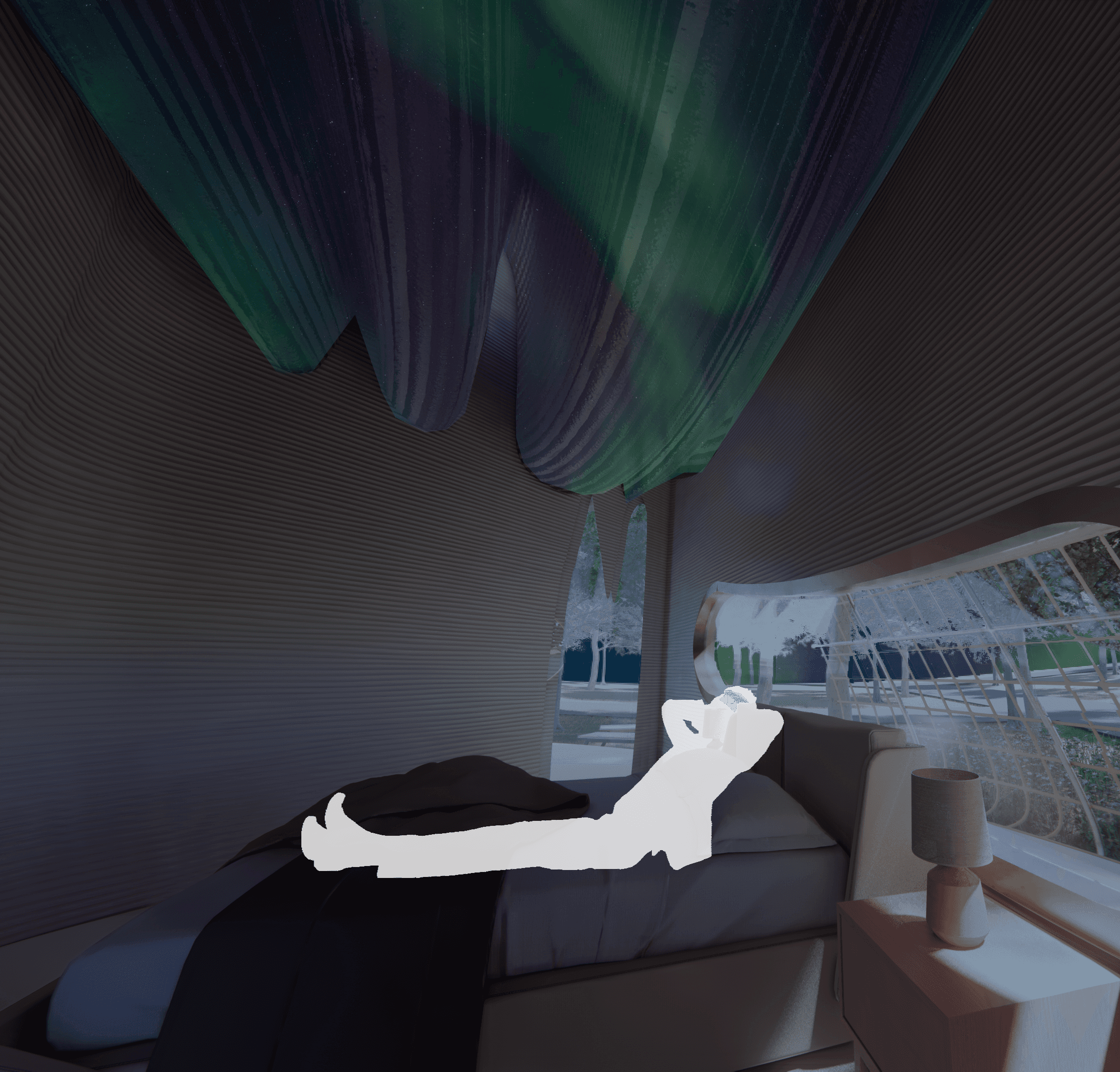
Drawings & Details
Roof Design
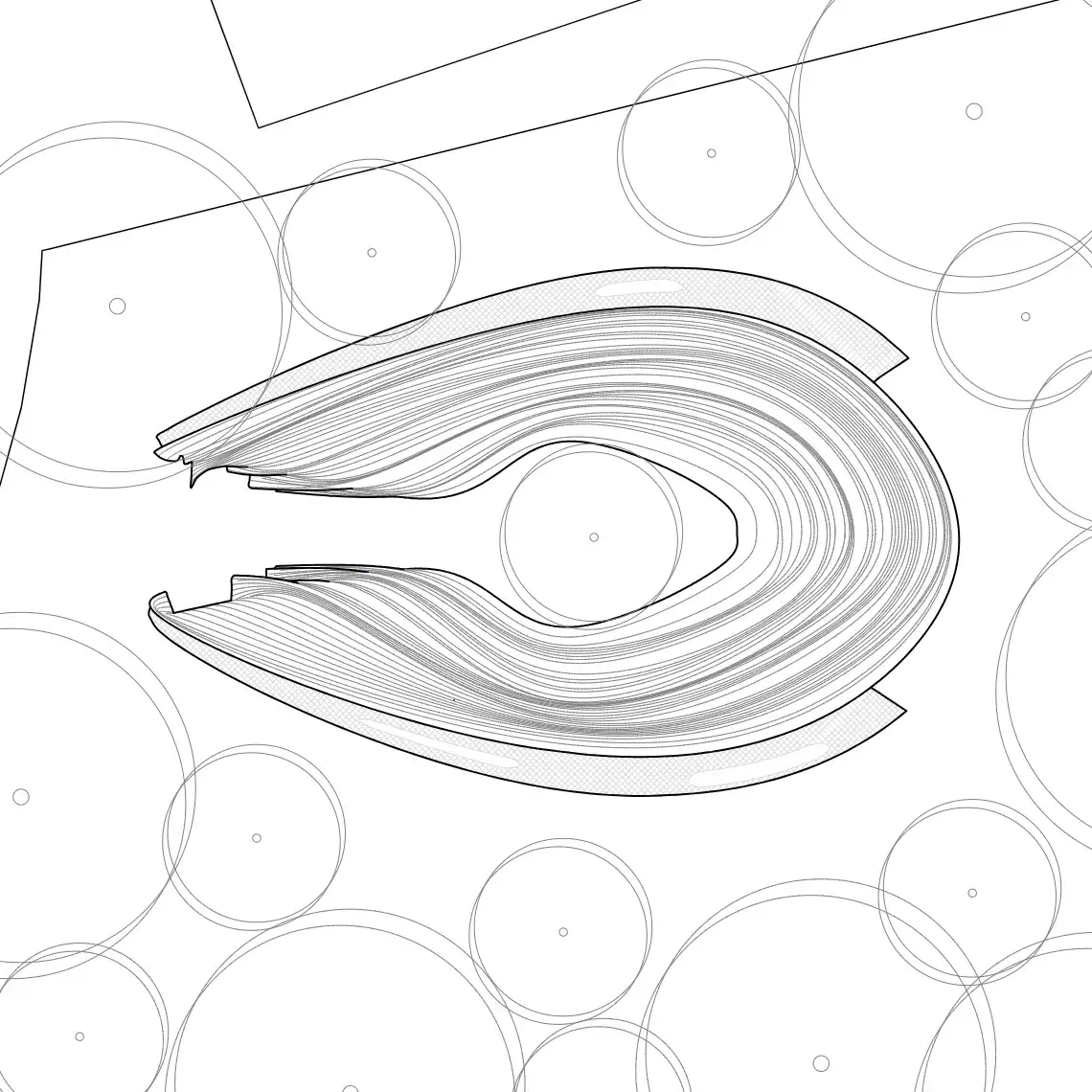
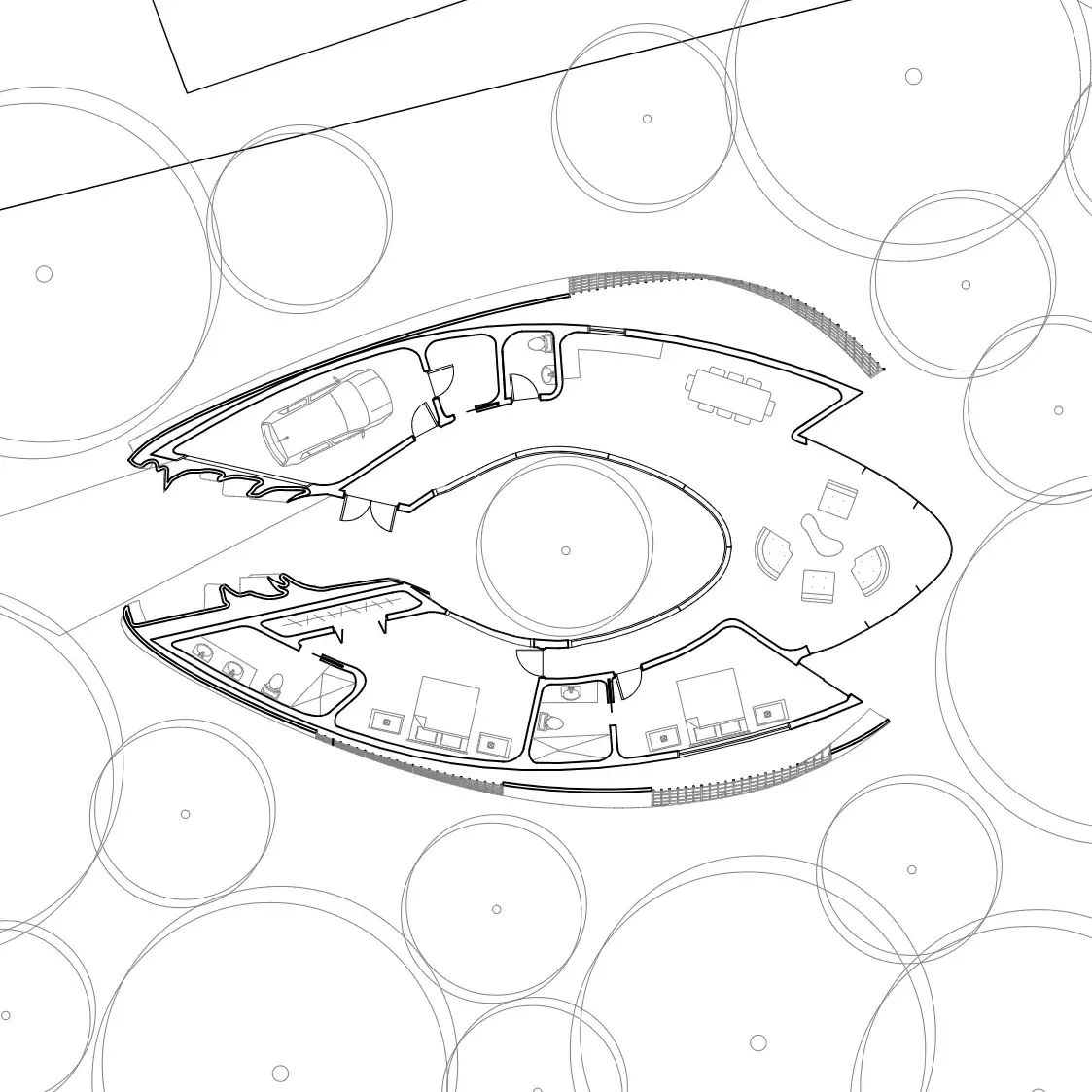
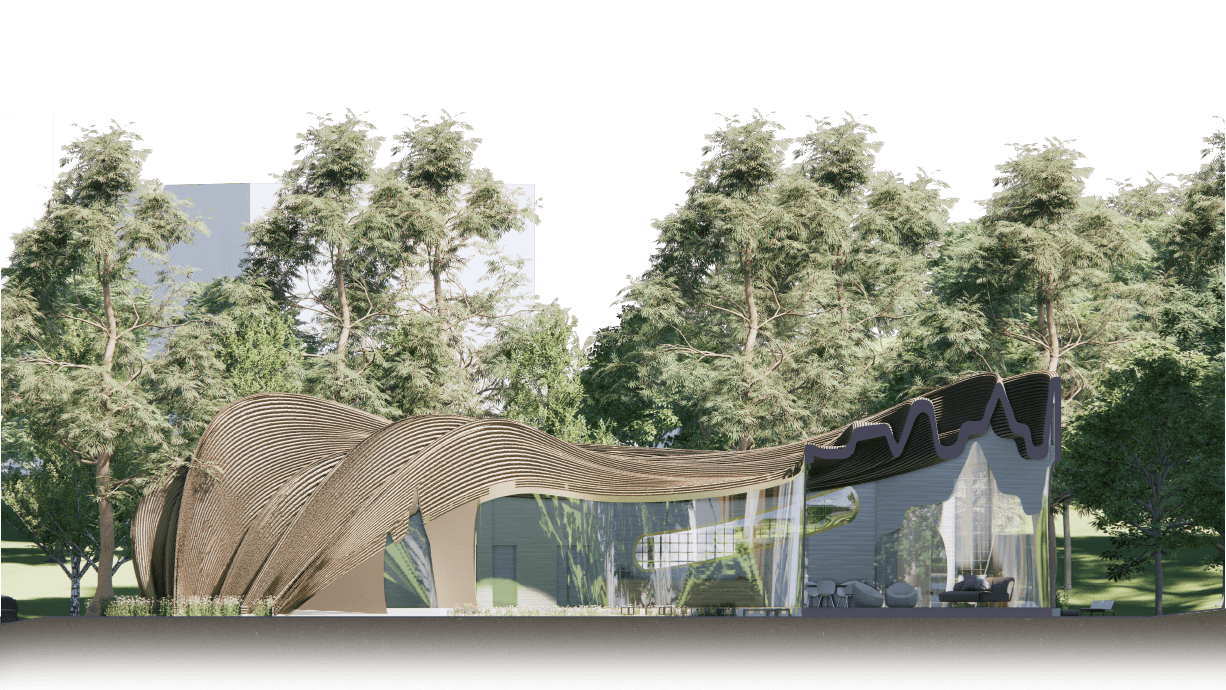
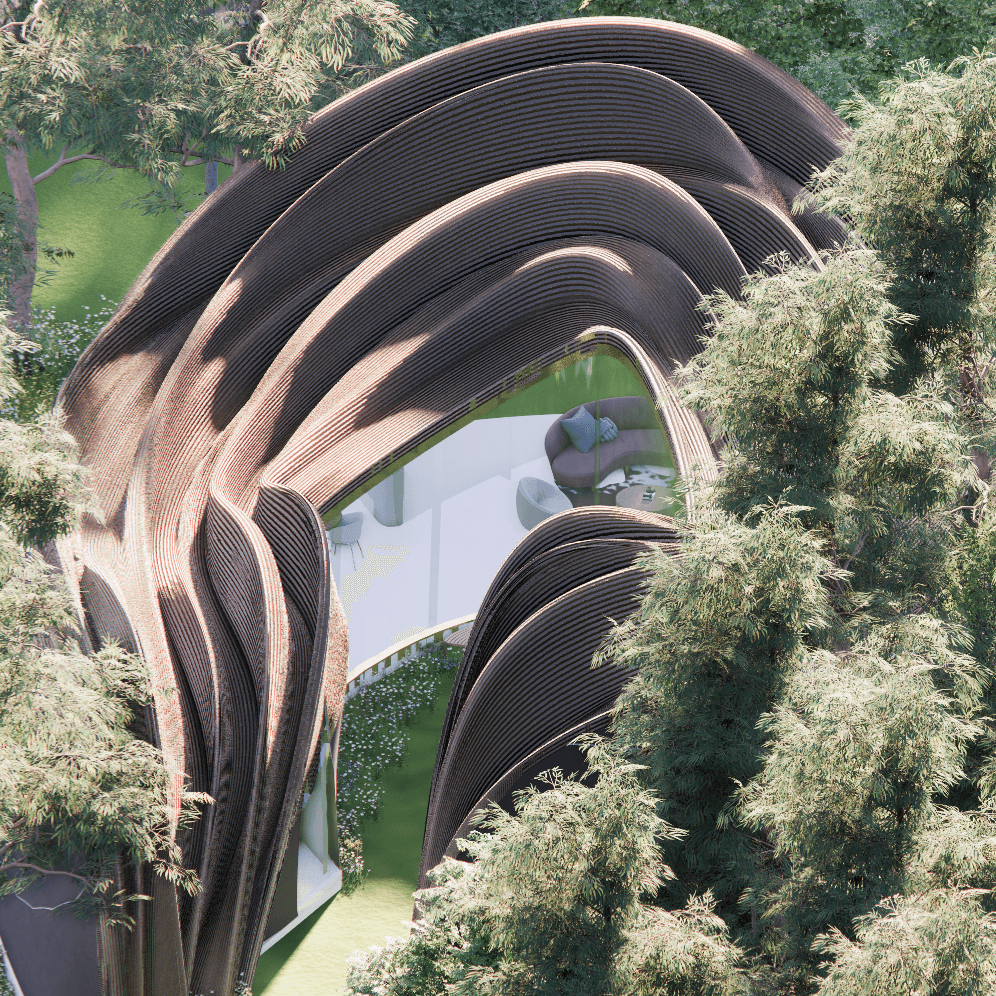
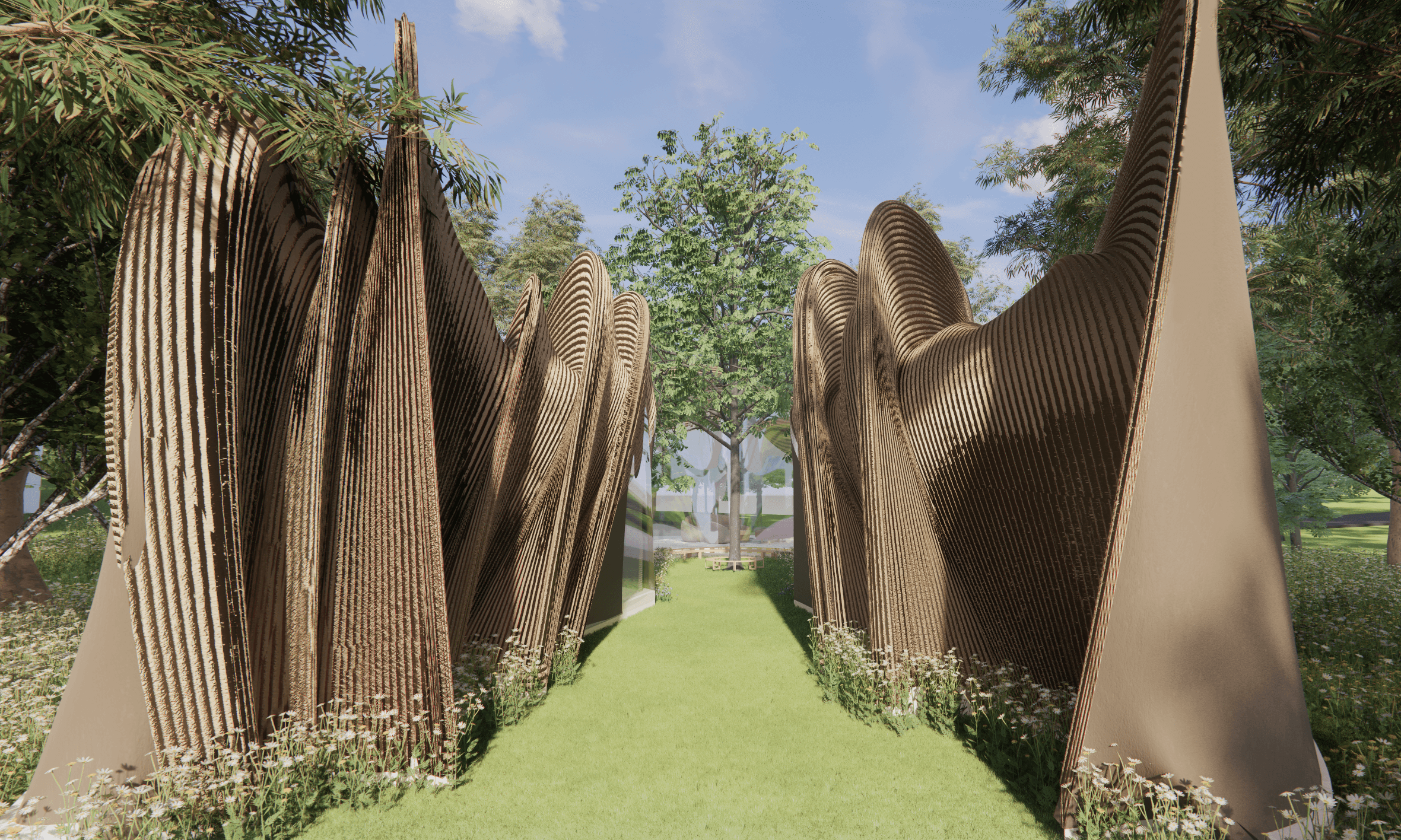
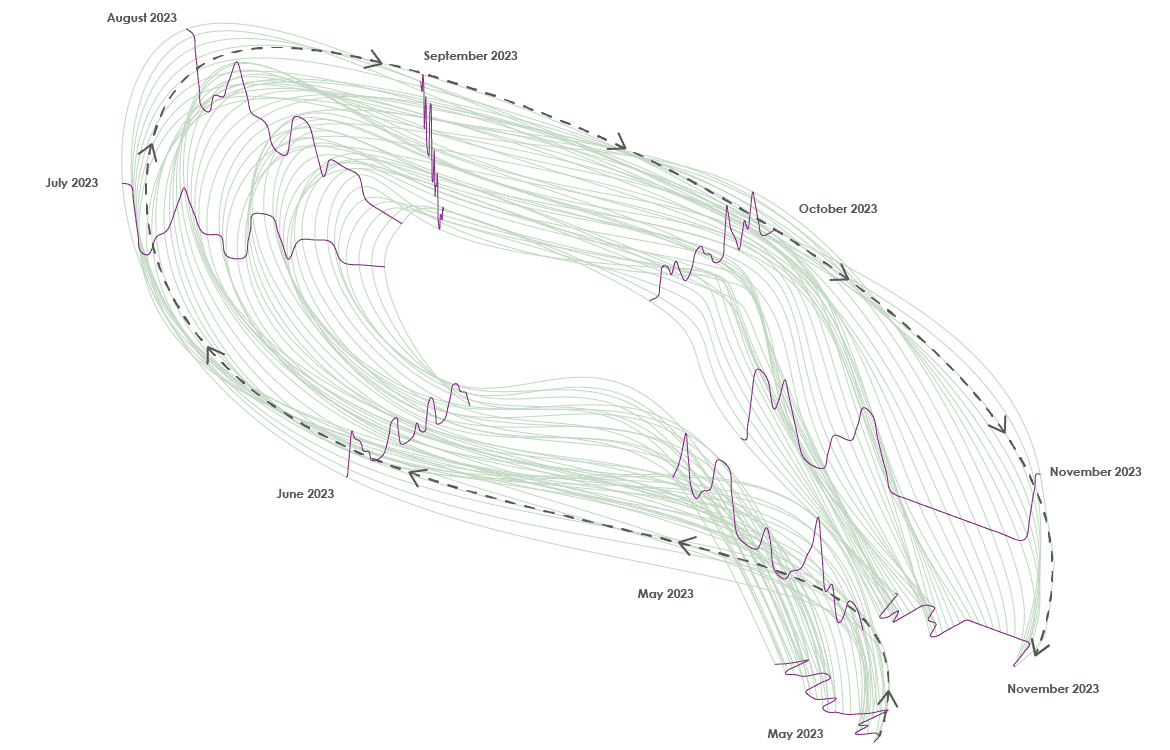
The roof design was generated using KP Index data from the Aurora Borealis recorded between May and October 2023. The information was translated into line graphs and arranged within the U-shaped plan based on the Earth's geomagnetic field during auroral activity, creating a permanent architectural expression of the Northern Lights. Through projection mapping, the space responds to live KP Index data, transforming the static roof into a dynamic representation of the current Aurora Borealis
The KP Index measures geomagnetic activity and Indicates the likelihood of seeing the Northern Lights. It ranges from O to 9. The KP Index Is based on Earth’s magnetic field disturbances caused by the solar wind, a stream of charged particles from the Sun, which can create the Northern Lights.